
 760-212-3490
 rachelrobertson42@yahoo.com
 1345 Duke Dr Vinton, VA 24179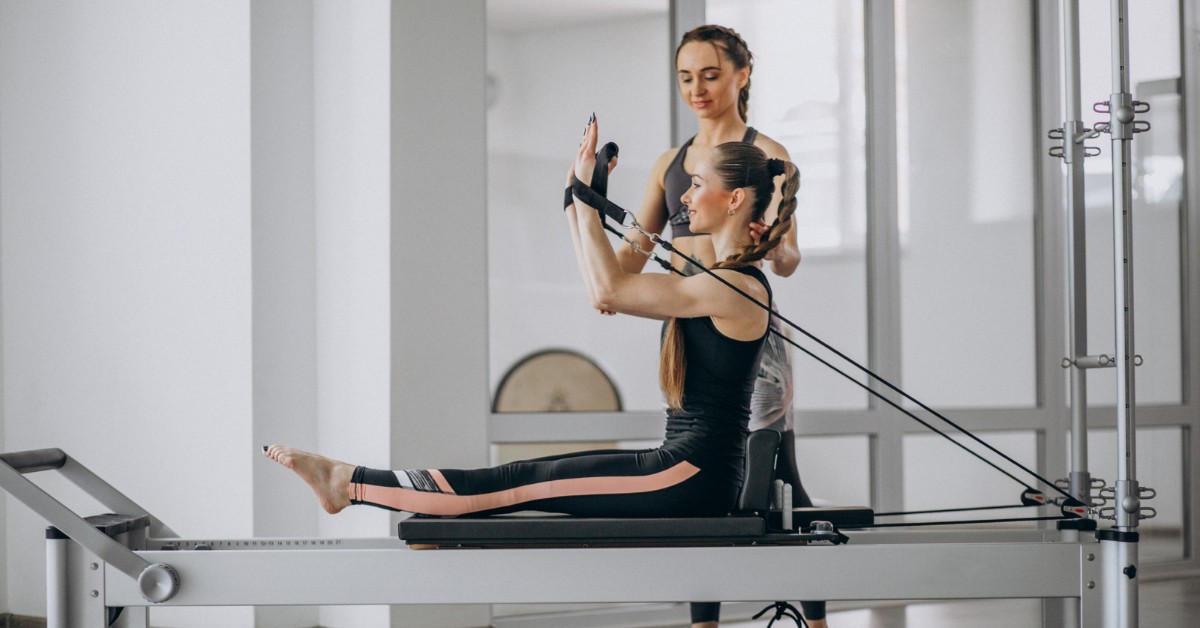
What is the Difference Between Yoga and Pilates?
When people search for ways to build strength, improve flexibility, and reduce stress, two practices usually stand out, yoga and Pilates. At first glance, they may look similar: both involve mindful movement, controlled breathing, and exercises performed on a mat. But while the two share some overlap, their origins, goals, and techniques are quite different. At Energy Within Pilates, we often meet newcomers who are unsure which practice is right for them. That’s why we created this guide to clear up the differences and help you decide where to start, especially if you’re considering joining a Pilates beginner class.
Table of Contents
- The Origins of Yoga and Pilates
- Philosophy and Purpose Behind Each Practice
- Movement Styles and Core Focus
- Breathing Techniques: How They Differ
- Equipment Used in Yoga vs. Pilates
- Health Benefits Compared
- Which Practice is Right for You?
- Why Choose Energy Within Pilates for Your First Class
- Finding Balance with the Right Practice
The Origins of Yoga and Pilates
Yoga has been around for thousands of years, with roots in ancient India. It began as a spiritual discipline combining physical postures, breathwork, and meditation. Its primary aim is to unite mind, body, and spirit.
Pilates, on the other hand, is relatively new. Developed by Joseph Pilates in the early 20th century, this method was designed to strengthen the body, support rehabilitation, and enhance overall movement efficiency. Unlike yoga’s spiritual beginnings, Pilates started as a structured exercise system rooted in physical fitness and alignment.
Philosophy and Purpose Behind Each Practice
The purpose of yoga extends beyond physical movement. Many yoga practices encourage mindfulness, stress relief, and connecting to inner awareness. While physical strength and flexibility are byproducts, yoga is often viewed as a holistic lifestyle.
Pilates has a more targeted focus: building strength, stability, and mobility with an emphasis on core muscles. While it also promotes mental clarity and mindful movement, its philosophy is grounded in physical health, posture correction, and functional strength.
Movement Styles and Core Focus
One of the most noticeable differences is in how movements are performed.
-
- Yoga often involves holding poses for a set amount of time, stretching into positions, and flowing through sequences. The goal is not just flexibility, but also inner calm and body awareness.
- Pilates uses precise, controlled movements, us
ually repeated several times to strengthen muscles while improving alignment. Nearly every Pilates exercise incorporates core engagement, which makes it particularly effective for posture, back health, and everyday strength.
For anyone wanting to strengthen the abdominal and back muscles while reducing strain, Pilates provides a clear, structured pathway.
Breathing Techniques: How They Differ
Breathing is central to both practices, but the techniques differ.
- In yoga, breath is tied to energy flow. Practices such as pranayama encourage slow, deep, mindful breathing, often paired with meditation.
- In Pilates, the breath is functional—designed to support core engagement and movement efficiency. Typically, you inhale through the nose and exhale through the mouth while drawing the navel in toward the spine.
Both approaches are valuable, but Pilates breathing ensures stability and strength during every exercise.
Equipment Used in Yoga vs. Pilates
Yoga primarily requires just a mat, though blocks, straps, or bolsters can support different postures.
Pilates also begins on the mat but often incorporates specialized equipment such as the Reformer, Cadillac, or stability balls. These tools provide resistance and guidance, helping clients target muscles more effectively.
At Energy Within Pilates, we offer both mat sessions and equipment-based classes, so beginners can explore Pilates in a way that feels comfortable and effective.
Health Benefits Compared
Both yoga and Pilates provide impressive health benefits, though they emphasize different outcomes:
Yoga Benefits:
- Improves flexibility and joint health
- Reduces stress and promotes relaxation
- Encourages mindfulness and mental clarity
Pilates Benefits:
- Strengthens the core and stabilizing muscles
- Improves posture and spinal health
- Enhances muscle recovery and functional strength
If your main goal is stress relief and flexibility, yoga may be your choice. If you want a stronger, more stable core and improved physical alignment, Pilates is often the better fit.
Which Practice is Right for You?
Deciding between yoga and Pilates doesn’t need to be complicated. Ask yourself:
- Are you seeking mindfulness and a meditative experience? Yoga may suit you best.
- Do you want structured movement that supports strength, rehabilitation, and posture? Pilates is likely the right choice.
Of course, many people find that practicing both provides a balance, yoga for relaxation and flexibility, and Pilates for strength and alignment.
Why Choose Energy Within Pilates for Your First Class
If you’re considering a Pilates beginner class, Energy Within Pilates specializes in guiding newcomers with care and expertise. I understand that stepping into a new practice can feel intimidating, which is why I create a supportive environment that emphasizes safety, clarity, and encouragement.
My classes are designed to meet you at your current fitness level, whether you’re recovering from an injury, hoping to improve posture, or simply curious about Pilates. With expert instruction, personalized guidance, and a welcoming studio atmosphere, you’ll quickly see how Pilates can transform your strength and confidence.
Finding Balance with the Right Practice
Both yoga and Pilates offer meaningful benefits that go far beyond the mat. Yoga invites you to slow down, breathe deeply, and connect to your inner calm. Pilates strengthens the body from the inside out, giving you better posture, stability, and energy for daily life.
At Energy Within Pilates, we’re here to help you explore these differences and decide what’s right for you. Whether you’re ready to step into your first Pilates class or simply curious about how it compares to yoga, our studio provides the perfect space to begin. The most important step is getting started, because once you do, you’ll discover how the right practice can bring strength, balance, and resilience into your everyday life.